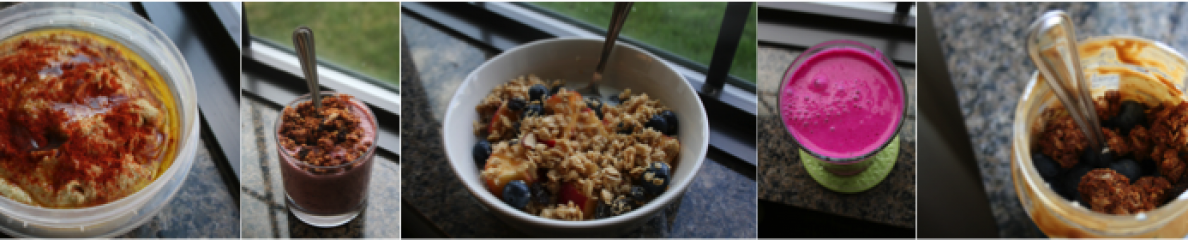
Our third installment of the macronutrient series is about Carbohydrates. Last month, I wrote about fat, and how important it is to vitamin absorption, hormone production and simply our experience with food. Fat promotes satiety (i.e. feelings of fullness) and adds flavor and texture to foods—don’t go fat-free!
Continue reading “The Best Carbs are Not Processed”Tag: glucose
Diabetes: A Primer (Part 2)
Last month, I provided some basic information about diabetes, pre-diabetes and how they are diagnosed. If you recall, diabetes is characterized by insulin resistance, which is the condition of having high blood sugar. Having sustained periods of high (or low) blood sugar can have serious implications on your health, and can lead to multiple co-morbidities, such as heart disease, kidney disease, blindness and neuropathy. Fortunately for many of those with diabetes, the condition can be improved or even managed completely through diet and lifestyle changes. However, very few make the diet and lifestyle changes that can improve their health. Continue reading “Diabetes: A Primer (Part 2)”
Diabetes: A Primer (Part 1)
According to recent statistics, almost 10% of Americans (approx. 30 million individuals) have diabetes, and 12.2% of New Yorkers are diagnosed with either Type 1 or Type 2 diabetes. Diabetes is a condition in which a person’s insulin response to the metabolism of carbohydrates is impaired, which leads to increased amounts of glucose in the blood and urine. Insulin resistance characterizes Type 2, which is the most common form, and those with Type 2 may not require insulin injections. Those with Type 1 diabetes, also known as ‘insulin-dependent’ diabetes, require insulin to be given via an injection to regulate their blood sugar. Type 1 diabetics are usually diagnosed as children, and make up a much smaller percentage of the total number of those diagnosed with diabetes. Continue reading “Diabetes: A Primer (Part 1)”
 thehealthypineapple