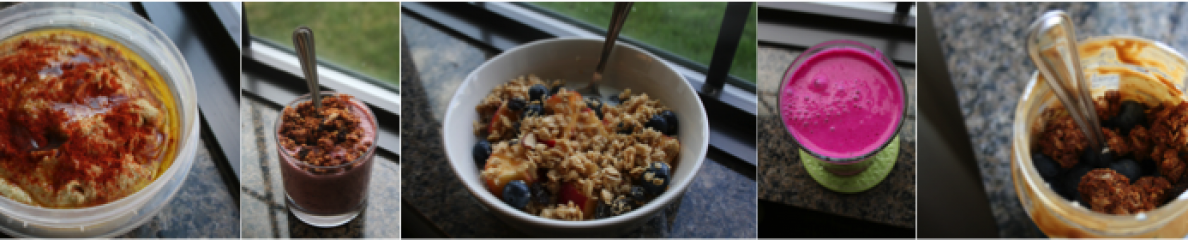
Whole30

Today was Day 1 of my first Whole30.

-no SUGAR (unless it’s in a fruit or vegetable)

-no grains

-no dairy

-no legumes

-no alcohol

*There are a few other things on the ‘no-no’ list, like MSG and sulfites, but suffice it to say it’s basically Paleo on steroids.  Super restrictive.  Probably the only way I’ll curb my sweet tooth.

*Note: As a dietitian, I’m always wary of any eating plan that removes entire food groups.  However, by eating a varied selection of fruits and vegetables, a person can get all the nutrients grains and dairy provide.  Additionally, grains and dairy are often over-consumed in high-calorie, nutrient-poor forms (think crackers and ice cream) by many people, which doesn’t lead to optimum body weight or health.  Therefore, removing those two food groups isn’t as ridiculous as it sounds.  Difficult, yes.  Impossible, no. Lastly, the Whole30 removes these food groups for specific reasons (explained in-depth in the book) and also REINTRODUCES them after 30 days so individuals can assess their impact for themselves. End note.*

I’m super excited, even though I know it’s going to be really difficult sometimes.  A few years ago, I skimmed through Melissa Hartwig’s book, It Starts With Food, and thought ‘hell no!’ and slammed the book shut.

However, a few weeks ago, after seeing it mentioned somewhere on social media, it was all I could think about.  It’s amazing how different seasons of life change our perspectives.

The truth is, I’ve known for awhile now that I’ve needed a change.  A reset.  A shock to my system.  It’s been four years since I’ve been happy with how I look (thanks, school, for negatively impacting my body through stress…NOT), and more recently, I’ve realized how badly I feel when I overeat/eat certain things.  While I eat a lot of healthy foods, I also have about zero willpower when it comes to sweets.

(The recent blog re-org and trip down memory lane while reading past posts reminded me how great I feel when I’m eating better, not to mention how great I looked a few years ago. Sigh.)

These last couple months have been a double-whammy for me in terms of my health and routine.  First, I’ve been experiencing pain in my lower back since January (recently diagnosed as a bulging disc by an MRI) and an inflamed nerve in my elbow, both of which sidelined me from my usual high-intensity workouts and weight-lifting sessions.  (The cause: all that heavy lifting and landscaping last summer.  Boo.) At the same time, I’ve been stressed and splurging on sugary treats even more since my gym time decreased.  Go figure.

All that to say, I’ve been slowly accepting that I need to take charge over my diet in order to feel better–physically and mentally.  On a sleepless night Easter weekend, I read up on the entire Whole30 plan by the light of my phone and committed right then and there that I would start soon.

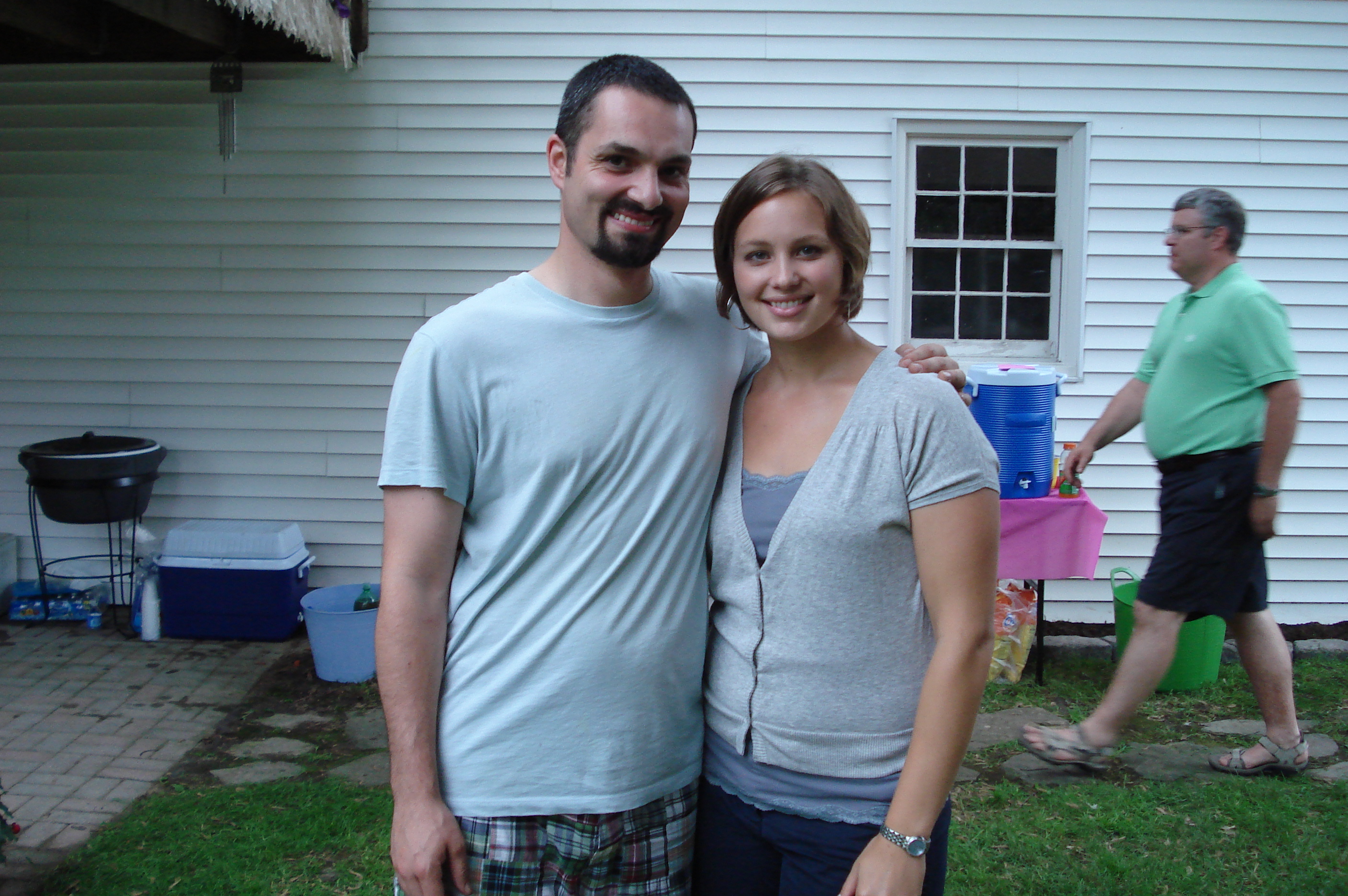
The next morning I asked Andrew if he’d do the Whole30 with me (lucky for him, he loves meat, hates cheese and beans, doesn’t do a lot of dairy and doesn’t crave sweets) and he agreed.  I bought the books that night and pored over them all Easter weekend, hopefully not at the expense of spending quality time with family–sorry, grandma!

As I said before, I’m really excited, because I know in my heart it’s what I need to get back on track.  I really DO love being healthy and fit, so I need to stop letting sugar win and take back control of what I eat.  In essence, I need to practice what I preach!

For extra motivation, I’m re-reading the Made to Crave devotional, on which I relied heavily a few years ago on a weight-loss journey.

I won’t be blogging what I eat every day throughout this 30-day period (like I did with our Paleo Challenge last year), but I will post some photos on Instagram (username: hollyrlayer).  I will, however, be posting a book review of It Starts With Food (not to mention all the other ‘diet’ books I’ve read) and perhaps some topical posts based on the program, like how to get calcium without eating dairy.  (You can, and it’s easy!)

Wellness 101

Since childhood, I’ve struggled with my weight and eating habits.  I’ve come to truly enjoy working out, and food and nutrition have become major interests of mine, as part of a commitment to leading a healthy lifestyle. By incorporating healthy-living principles into my life, I’ve never been happier or more satisfied with how I look and feel.

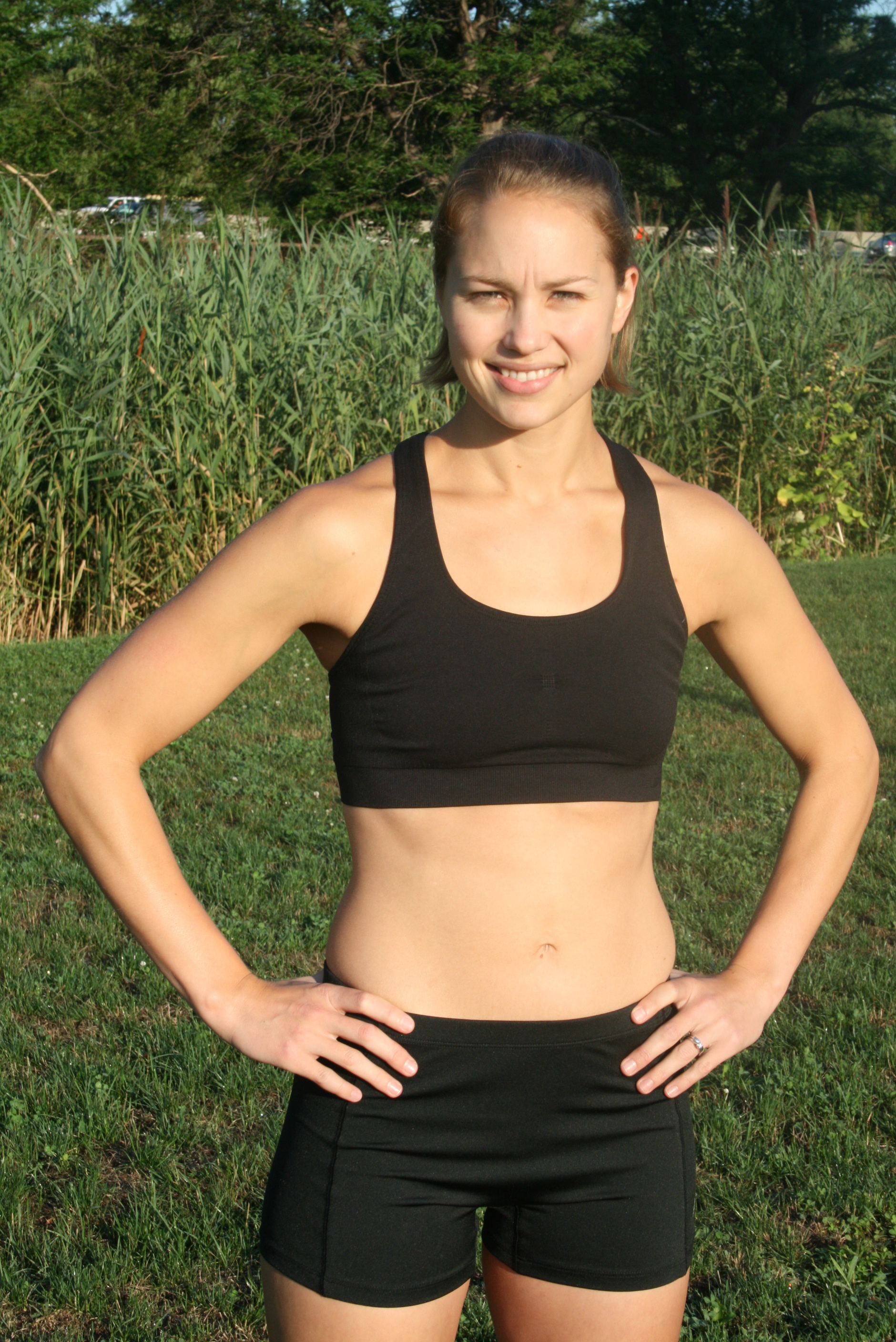
I recently lost 20 pounds just by counting my calories, which made me more aware of what and how much I was eating.  It was a shock to realize that despite my regular (and quite strenuous) workout routine, I was carrying that much extra weight.

To read my post on the day I reached my goal, click here.

Here are some before photos:

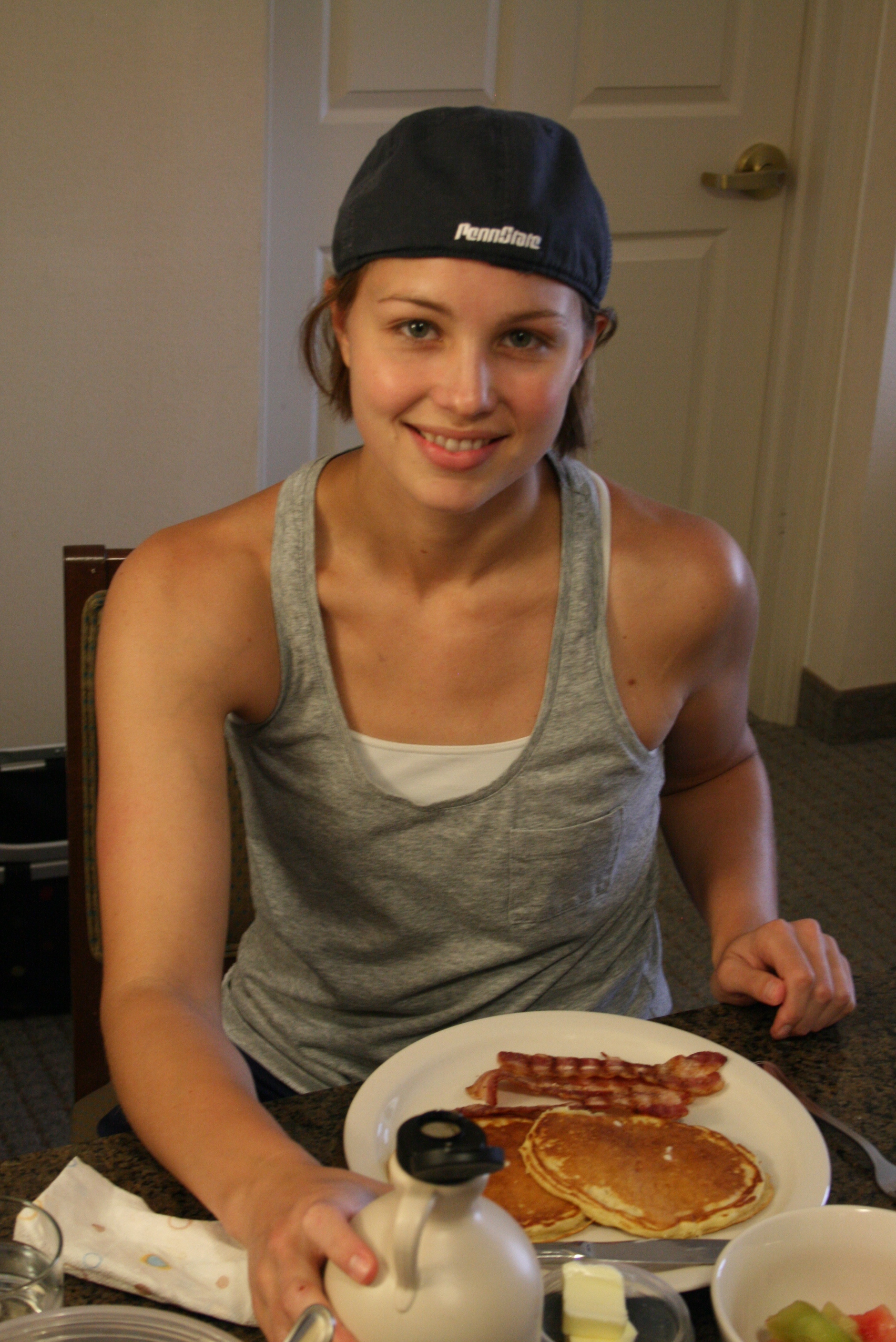
And after:


It took about 4-5 months of daily calorie-counting to accomplish my goal, and I did it in the healthiest way possible.  I didn’t give anything up and nothing was really “off-limits.”  I didn’t switch to diet sodas or “fake” food.  In fact, I’ve never eaten better food than I do now!  Losing weight and being healthy isn’t about a temporary diet; it’s a lifestyle and a passion of mine.  I’m not a doctor, nutritionist or exercise physiologist, but here are some common-sense principles I’ve adopted to become healthier.  Give them a try!

Food Ideas

-Most important: Be open to new foods.  Try barley, quinoa or millet.  Give tofu a chance.  Maybe you’re still getting used to zucchini or whole wheat bread and pasta–keep trying it, and other things like it.  You’ll can’t know if you don’t like something until you try it.

-Produce:  Eat it all!  Stock-up on seasonal fruits and veggies and keep “portable” fruits like apples and bananas in the kitchen.   Alway have stuff in the fridge to make a salad and don’t forget to “eat the rainbow.”

-Carbs: Start with whole-wheat bread and pasta (if you aren’t eating them already) and then incorporate other grains, like couscous, wheat berries and brown rice.  These are all filled with good-for-you carbs, fiber, vitamins and minerals, and are less processed than their “white” or “bleached” counterparts.  (Who wants to eat bleach?)

-Proteins: It’s more than just meat!  Hummus, natural peanut butter, lowfat plain yogurt, kefir, fish, chicken, pork and lean beef, tuna, eggs, edamame, lowfat cottage cheese, beans and nuts are all sources of protein.  As long as you watch your serving size and fat content, these proteins will help keep you full throughout the day.

-Smart splurges: We still need to enjoy what we eat.  Daily “splurges” can include individually wrapped dark chocolate, whole-fruit pops, popcorn and really, just about anything in moderation.  Focus on whole foods, like a homemade muffin or cupcake made with wheat flour, and keep single-serving or lowfat ice cream (or other treats) for times you need something sweet.  Less frequently, allow yourself a true indulgence, like an ice cream sundae or cheesecake.  Again, it’s more about portion-control than what you eat.

-Water:  Drink it and almost nothing else.  Soda and juice are pretty much just sugar.  Limit alcohol to special occassions.  Experiment with different teas (with just a teaspoon of honey) if you need something other than water.  There are absolutely fantastic flavors out there, and some are really good for you.  (And I don’t mean the powered kind… loose-leaf or the kind you have to brew!)
Changing Your Eating Habits

Maintaining a healthy weight is part of a healthy lifestyle.  Here are some ways to incorporate smarter food choices into your day:

-Combine some produce and a protein for a snack, like an apple and a cheese stick, or cut-up bell peppers with hummus

-Include high-protein picks like hard-boiled eggs or tuna in your salad to keep you full

-Give spinach a try (instead of lettuce) in salads and on sandwiches for a boost in nutrition

-Try new things like sprouts and edamame in salads

-Don’t drink your calories!  Stick to water and only occasionally enjoy a soda, juice or alcoholic beverage

-Learn to like plain yogurt–top with fruit, granola and a drizzle of honey

-Mix protein, like peanut butter, yogurt or cottage cheese, into your morning oatmeal to make sure it fills you up

-Pass up pre-packaged items (like cookies and crackers) that say “Fat Free” on the box–often they have more additives and calories than the regular kind.  Better yet, pass up pre-packaged altogether!

-Start baking with whole-wheat flour and swapping in applesauce or yogurt for part of the fat

-Don’t be afraid of butter!  Real food is always best

-Get a diet scale.  They’re super convenient and really cheap (less than $5) and perfect for measuring out portions of chips, crackers, nuts, meat and cheese.  They typically only go up to one pound; larger digital scales are better for cooking, baking and canning.

-Shop the perimeter of the grocery store: produce, dairy, frozen foods, meat and bread.  Avoid the inner aisles except for essentials, like baking supplies, spices, dried fruits, nuts and tea.

-Stop eating before you’re full.  I realize that this seems like a no-brainer, but I’ve spent my life overeating.  Learn to listen to your body and strive to feel “satisfied.”

Again, enjoy what you eat.  If you’re eating healthy, real food, it’s going to do good things for your body.  If you want a brownie, eat one.  Is it OK to buy a package of Oreos every once in awhile?  Definitely.  The most important things about eating well are portion control and eating real food.

Exercise Ideas

Do something, anything, to get moving.  And do things you enjoy; if you have fun while exercising, you’ll be more likely to continue doing it.

-If you are a beginner, want a group setting or are looking for personal training, join a gym.  They have plenty of workout classes and trainers who can help you design a program that you’ll enjoy and from which you’ll benefit.

-Get outside!  In good weather, get out and enjoy it!  Take the dog for a walk or go for a bike ride.

-Start running.  All you need is a good pair of shoes and appropriate clothes.  No fancy equipment or gym membership required.  If you can’t run yet, start walking.  If you need assistance, look online for beginner runner workouts.

-Find a sports league through your office or get friends together for ultimate frisbee, biking or hiking.

-If you have a treadmill, use it!  If it’s been a clothes hanger for six months or more, make the hard decision to start using it or get rid of it.

-If you don’t lift weights yet, start.  Whether you’re a guy or a girl, weight-lifting is crucial not only for maintaining a healthy weight, but also for bone health.  The more muscle you have, the more calories you burn while working out AND while resting.

-I find working out in the morning to be the only way to go, myself, but do what works for you.  Find an activity or group of friends and work it into your schedule.  Once you have, stick to it.  It takes a few days, even a week or so, to get used to your new routine–keep going and it will get easier!

Wellness/Balance

Life isn’t just about looking good in a pair of jeans, but it sure helps.  I don’t say that because I think the only way to have a “good” life is to be thin, but because being healthy on the inside will equate to being healthy on the outside.

-First, and most important, is my faith.  Having Jesus Christ as my Savior gives me hope and strength for each day and also defines who I am as a person.

-Surround yourself with people who love you and who support you.  While it’s certainly possible to meet your goals in the face of adversity, it’s not as easy.

-Seek out things that interest you.  Whether it’s kayaking or knitting, find something and do it.

-Take time for yourself every day.  It can be first thing in the morning, a break in the afternoon to take some deep breaths and enjoy a snack, or maybe reading a book before bed.  Just make sure to have even five minutes of “quiet time” during the day.

-Do something for someone else.  This can be mentoring, volunteering, or just helping a neighbor.  Reach out.

-Weigh yourself.  If you don’t have a scale, you can’t keep your weight in check.  Aim to weigh once or twice a week and if you see the numbers creeping up, you’ll know you need to make some smart choices for the next couple days.

National Nutrition Month

I realize I’m a little late in the game (like, 18 days late) for this, but it’s National Nutrition Month!

The Academy of Nutrition and Dietetics (AND) celebrates NNM each March and uses it as a campaign to educate anyone who will listen about healthy eating.  For those who don’t know, it is AND (through their accrediting arm) that ‘registers’ dietitians.  I’m a member now as a student, and will be an RD in just a few short months!

I actually wrote a blog post for the Buffalo News Refresh section (spoiler alert–I was going to write a separate blog post about that–it will be forthcoming), which will go live tomorrow.  Again, better late than never.

Below is what I wrote, but be sure to check out the Buffalo News Refresh blog (toward the bottom) to see my post.  I’ll have more soon on my blogging opportunities as well.

Also, be sure to check out the New York State Academy of Nutrition and Dietetics’ first Public Service Announcement promoting Registered Dietitians here!

Bite into a Healthy Lifestyle

Every March since 1973, the Academy of Nutrition and Dietetics has dedicated time to increase awareness about making healthy choices and increasing physical activity. It began as a week-long campaign and lengthened to a month in 1980. Registered Dietitian Nutritionist Day, also in March, recognizes RDNs as nutrition experts who are uniquely qualified to provide nutrition services to the public.

This year, National Nutrition Month’s theme is ‘Bite into a Healthy Lifestyle,’ which encourages everyone to adopt eating and physical activity plans that are focused on consuming fewer calories, making informed food choices and getting daily exercise in order to achieve and maintain a healthy weight, reduce the risk of chronic disease and promote overall health.’ Read on for easy, simple ways to incorporate healthier choices into your lifestyle!

Consume Fewer Calories

Weight gain, while influenced by multiple factors, does come down to simple math: if you take in more calories than you burn, you’ll gain weight. Prevent that by finding ways to decrease your calorie intake.

-Consider counting your calories. If you don’t know how much you’re eating, it’s easy to go overboard. Click here to access MyPlate’s Super Tracker.

-Decrease your portion sizes.

-Drink a glass of water before meals and snacks. Often, we think we’re hungry when we’re simply thirsty.

-Start meals with broth-based soups, salads or veggies so you’ll have less room for the higher-calorie options.

-Eat fruit for dessert and keep cut-up veggies in the fridge for snacking.

-Don’t drink your calories. Switch from whole to 1% or skim milk, cut out sodas and other sugar-sweetened beverages. Opt for fruit instead of juice when possible.

Make Informed Food Choices

Knowledge is power. Take charge of your health by being proactive about what you eat.

-Read food labels. Note serving size, calories and fat in each, and limit yourself to that serving size.

-Go the extra mile and learn what carbohydrates, fats and proteins are. Go to ChooseMyPlate for more information about each nutrient and the amounts recommended for you.

-Prepare your meals and snacks in advance so that you’re never caught without a healthy option on-hand to grab when you’re in a rush.

-Look at online menus before going out to eat to find healthier options at your favorite restaurants.

Get Daily Exercise

It’s recommended that adults get at least 30 minutes of exercise most days of the week, and 60-90 minutes to prevent weight gain.

-Get a pedometer to track your steps; aim for 10,000 each day. For fun, team up with friends and compete to get the most steps.

-Have a dog? Get out and walk. Other good excuses to get outside include yard work and playing with your kids.

-Take the stairs instead of the elevator.

-Park your car at the far end of the parking lot to increase your steps each day.

-Find an activity you enjoy and do it. Not everyone enjoys running; your strength may be a Zumba class or spinning.

-Meet friends for a walk instead of coffee.

-Winter isn’t an excuse to stay inside—find an activity you enjoy. Snow shoeing, skiing, ice skating and even sledding burn calories, increase your heart rate and are fun ways to take advantage of the season.

For more information about National Nutrition Month, click here.  Interactive quizzes and games are available online here.