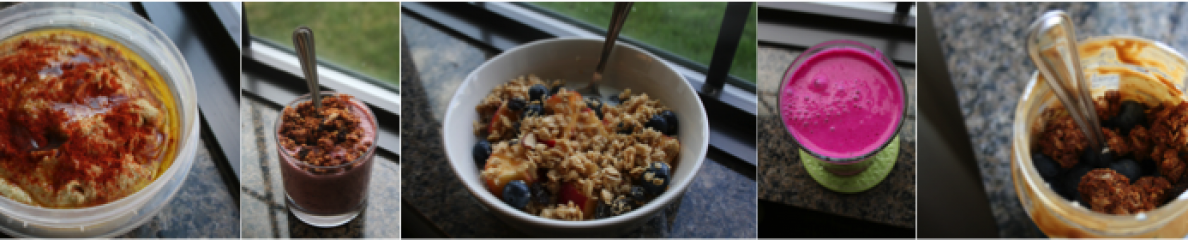
Back-to-School Basics: Food Edition

In just a few short weeks, kids will be boarding school buses and moms everywhere will be jumping for joy…but not before school supplies have been bought, book bags have been packed, and school lunches have been made. As a natural-born writer and honors student, back-to-school shopping for supplies was my favorite part of summer. But my lunches? I didn’t give them a second thought. Thankfully, my mom made sure we had (relatively) healthy lunches each day.

Build a Better Breakfast

The typical American breakfast rivals dessert in terms of sugar content. One Pop Tart contains approximately 17 grams of sugar and only 2 grams of protein. A Toaster Strudel pastry is only slightly better, with 11 grams of sugar and 3 grams of protein. But, how often does anyone eat just one of either of those? So, two Pop Tarts contain 34 grams of sugar and only 4 grams of protein. One half cup of Ben and Jerry’s ice cream contains 28 grams sugar and 5 grams of protein—arguably a ‘better’ choice than two Pop Tarts!

Instead of pumping your kids full of sugar before their long day at school, consider a breakfast higher in protein and fat than what is typically found in breakfast cereals or granola bars. Aim for about 15 grams of protein at each meal for elementary and middle schoolers. Eggs, yogurt or meat should be an integral parts of a child’s breakfast. When buying yogurt, choose varieties high in protein and low in added sugars, or choose plain and add your own fruit. One egg and one ounce of meat both contain 7 grams of protein, which makes it easy to estimate how much your child is getting at each meal. For vegans and vegetarians, use organic soy and tempeh as meat-alternatives, or newer varieties of ‘protein nut milks’ for increased protein at meals.

Just because it’s breakfast doesn’t mean veggies are off the table. While V-8 juice (choose the low sodium variety) is a great choice as it provides a full serving of vegetables per half-cup, eating actual vegetables shouldn’t be disregarded. Baby carrots, sliced peppers, cucumbers, celery and cherry tomatoes are a great option in the morning. Pair veggies with some fruit or toast and a source of protein, like an egg. Or, blend spinach and kale into smoothies, along with a frozen banana and a source of protein, such as a plant- or whey-based protein powder.

Don’t forget about fat! Fat helps keep us feeling full longer than simple sugars, like fruit and white bread. Spread whole grain toast with peanut butter or mix avocado into smoothies. Because bacon is very high in fat, it’s not a great source of protein, but can (and should!) be enjoyed every once in awhile.

Breakfast Basic: 1-2 cooked eggs, 1 cup cut-up veggies, 1 piece whole grain toast with 1 tablespoon almond butter

Bento Box Lunches

These divided dishes are all the rage and make what I call ‘snack’ meals even more fun and festive! I often make ‘snack dinners’ if I’m solo in the evenings. An easy-to-pack bento lunch might include: deli meat rolled and secured with toothpicks (for protein), an apple (for carbs) and some nuts (for fat). Add in some blueberries and a cheese stick for variety and increased calories for older kids. Bento boxes are a great way to ‘think outside the sandwich’ without adding extra cooking or a lot of prep time. Simply get familiar with your macronutrients (carbs, fat and protein) and build a balanced meal.

I grew up in the time of NutriGrain bars and fruit-on-the-bottom yogurts, both of which were considered health foods. These days, it’s easy to find healthier items (i.e. fewer added sugars, fresher alternatives). While we shouldn’t eschew carbohydrates for fear of sugar (approximately half our daily calorie intake should come from carbohydrates), it is important to find higher quality carbs, like whole grain bread that is high in fiber, fresh fruits and vegetables, and plain yogurt.

No need to include an ice pack! Simply freeze a water bottle that will help keep food cold and thaw enough to drink by lunchtime.

Lunch Basic: 1 cup mixed veggies and hummus, ½ large apple, 2-3 slices deli meat, 1 tablespoon cashews

Balanced Dinners

Busy nights call for preparation! It’s hard to bust out the crock-pot when it’s still warm, so rely on cold dinners, like salads with chicken, or sandwiches. Cooking big batches of mains on the weekends helps, as leftovers can be eaten for breakfast, lunch or dinner the following days. Grill a few days worth of meat and veggies that can be used a variety of ways. Recently, I had a chicken with BBQ sauce, two kinds of sausages and cut-up cauliflower on the grill all at once, knowing I had some busy evenings ahead.

Dinner Basic: large salad with dried cranberries, feta cheese, sliced steak, and grilled pita bread

Interested in finding out more about building a better lunch? The East Aurora Cooperative Market is holding a ‘Lunchbox Workshop’ in the café from 4-5 pm Sunday, August 26. This event is open to the public and adults and children are welcome to attend. Sign-up using the event’s link, found on the co-op’s Facebook page. Attendees will bring home a completed lunch!

Mediterranean Diet too passé? Try the Nordic Diet

I’d only recently heard the Scandinavians had their own diet, and taking into account my Swedish heritage, penchant for trying new diets (for research purposes, of course) and preference for sardines, I figured this one might be right up my alley. Turns out, it just might be.

The Nordic diet, like the Mediterranean diet, emphasizes fruits, vegetables, whole grains, lean sources of protein and healthy fats. According to the World Health Organization, both the Nordic and Mediterranean diets can reduce the risks of cancer, diabetes and cardiovascular disease. Perhaps the only fundamental difference between the two is the type of oil recommended: olive for the Mediterranean and canola for the Nordic diet. Canola oil is made up of heart-healthy monounsaturated fats, provides anti-inflammatory omega-3 polyunsaturated fats and may reduce LDL (‘bad’) cholesterol.

The Nordic diet is based on the Baltic Sea Diet Pyramid, which was created by the Finnish Heart Association and is similar to the 1992 USDA Food Guide Pyramid. The foundation of the Nordic diet is made up of common Nordic vegetables, fruits and grains (such as barley, rye and oats) in the middle, and fish, lean meat and low-fat dairy near the top. The very tip of the pyramid features foods that should be limited, such as processed foods and sweets. Foods unique to the Nordic diet include skyr (Icelandic yogurt, high in protein) and dense, whole-kernel rye bread (often found in air-tight packages, try the Mestemacher brand).

I recently read The Nordic Way, by Arne Astrup, Jennie Brand-Miller and Christian Bitz, which advocates specific ‘diet’ principles based on the results of the Diet and Obesity Genes study. The DiOGenes study followed overweight and obese adults and children in eight European countries who had recently lost weight, and found that a low-Glycemic Index (GI) diet, combined with a modest increase in protein, prevented weight re-gain and even promoted further weight loss. The book recommends a 2:1 carbohydrate-to-protein ratio, with an emphasis on low-GI carbohydrates. Low-GI carbohydrates don’t raise blood sugar as quickly as higher-GI carbohydrates, and there are many proponents of this style of eating plan. Click here for a complete book review.

Additionally, the Nordic diet stresses the importance of satiety and palatability of foods. By eliminating processed foods, which often lead to overeating, the Nordic diet promotes eating until one is satisfied, rather than full. Because the diet is high in fiber and recommends healthy fats and protein, it’s easy to feel satisfied for longer periods of time.

Here are some ways to work a ‘Nordic style’ of eating into your life:

-Begin with smaller portion sizes. It’s easy to overeat without knowing it, so start with less food on your plate and have a second helping only if you feel hungry.

-Drink more water and less alcohol, juice and sweetened beverages.

-Limit your meat consumption and replace with plant-based proteins (such as chickpeas or lentils) and oily fish (salmon, sardines, mackerel). Try using other types of canned fish like you would tuna.

-Keep red meat to smaller, higher quality amounts. Give bison a try!

-Consider trying the Mestemacher bread. It comes in a couple varieties, and I recommend toasting it. I topped a piece with deli ham, Dijon mustard, cottage cheese and shredded carrots (a combination I found in The Nordic Way) and it was delicious.

-Replace some high-GI foods with lower-GI foods. Traditional white and wheat breads, cornflake cereal, rice milk, potatoes and corn syrup are high-GI foods. Substitute them with dense rye or pumpernickel bread, muesli, soy or dairy milk, sweet potatoes (or even a small amount of potato chips!) and real maple syrup, respectively.

Even just a few of these diet changes can make a big difference in your waistline!

Since reading The Nordic Way, I’ve incorporated more dairy into my diet with cottage cheese, as well as the dense bread recommended. I was already eating Siggi’s, an Icelandic yogurt, and plenty of fruits and vegetables. The book features multiple recipes with canned mackerel in tomato sauce, but I have yet to find any of that locally. I had a delicious mackerel sandwich on my trip to the Netherlands last summer, and I’d love to try to recreate it soon.


Cold Food – Surviving the Summer w/o Your Oven


Does summer have you off your dinnertime game a bit? With kids out of school, getting used to new schedules and taking advantage of being outside later, it’s likely your normal dinner routine may not be as ‘routine’ as it was during the fall and spring. Couple that with the higher temps that make us even more unlikely to cook at home, and you have a recipe for too much take-out!

I love summer as much as the next person, but the heat makes me cranky. (We don’t have air conditioning, as many of you can relate, I’m sure.) The last thing I want to do on a hot day is turn on my oven, and I find I’m often busier in the summer than the winter, so my weekly food-prep habit often falls by the wayside. We end up eating out or ordering pizza (gasp!) WAY more than we should, simply because we don’t have pre-prepped food to eat after a busy day working in the yard.

Here are a couple ways you can make sure you have quick, healthy options stocked away any time of day, whether it’s your kids (and their friends!) at lunch, or trying to get dinner on the table for whole family after afternoon at the pool. Don’t miss out on the best of summer’s produce just because you’re busy!

Be Strategic about Meal Prep

Summer weekends tend to be busy, and afternoons are hot—your usual Sunday afternoon meal-prep session probably isn’t realistic right now. Instead, do any cooking first-thing in the morning or in the evening, when temps are cooler. I have definitely had to point a fan directly into the kitchen while cooking before! I often hard-boil eggs in the morning because that’s when I think about eggs. Also, do a little at a time so you don’t work up a sweat. Cook eggs in the morning, slice extra veggies while prepping salads for lunch and mix up your overnight oats before you go to bed. It’s not uncommon for me to check the weather while planning my weekly meals! If we have an unseasonably cool day and your schedule allows, consider making a big batch of rice or roasting veggies for later.

Stock Up

Do yourself a favor and keep foods that require little prep and can be eaten without cooking during these busy, hot months. I know I don’t have the energy to do much in the kitchen after a hectic day, or hours spent outside in the sun. Meals like chicken or tuna salads, overnight oats, smoothies and ‘snack’ dinners (plates of small items, like veggies and hummus, cheese cubes, deli meat) are way easier than trying to cook something from scratch.

Pantry: canned beans for salads, oats, canned chicken or tuna

Fridge: fresh fruits and veggies, yogurt, deli meat, hummus, cheese, salsa

Freezer: bagged fruits and veggies, pre-made smoothies, pre-cooked rice, microwavable steamer bags of veggies

Use the Grill

While I don’t like to grill (it’s one of my irrational fears), I love it when my husband does! Grilling creates fewer dishes and keeps the house cooler. Bratwurst and Italian sausages are his favorites, and we should start buying hot dogs and hamburgers in bulk with all the hosting we’ve been doing now that our patio is finished. However, you can grill more than just meat! Wrap ears of corn in foil with a little butter—delicious! I also like to use foil to make ‘packets’ for veggie mixes; try cut-up sweet potatoes with fresh thyme and green onions dressed in olive oil. You can also grill romaine hearts (cut them in half lengthwise first), and stone fruits like peaches do very well on the grill. You can even use the grill in your meal prep—have your hubby grill the chicken for your weekday lunches while he’s cooking dinner!

E-Z Meals

On a hot day, the thought of simply pulling something out of a cold fridge and digging in sounds glorious.

Breakfast:

-Overnight oats: mix oats, yogurt and milk (nut or dairy) in a 1:1:1 ratio (i.e. 1/3 cup each) with ½ mashed banana and place in the fridge for at least 5 hours. In the morning, add additional liquid if necessary and mix-ins, like fresh fruit or granola.

-Hard-boiled eggs with fruit

-Salad! (Why not?!)

Lunch:

-Homemade ‘Bento’ boxes with assorted fruits and veggies, deli meat or cooked chicken and nuts or cheese

-Turkey Roll-Ups: sliced peppers rolled up in turkey slices with guacamole

Dinner:

-Chicken or tuna salad on greens or sliced apple and whole-grain crackers

-Smoothies

-Cold soups, like gazpacho

-Roasted chicken (purchased at a local grocery store), paired with salad or steamed veggies

It’s ironic that I often feel flabbier during the summer when I’m baring more skin, likely because we get ice cream too often! Or maybe we’re all just a bit too critical of ourselves. Either way, making sure you eat fresh, healthy meals most of the time lets you enjoy a meal on the deck at Rick’s or walking to the Caboose for ice cream that much more enjoyable.